By Chaitanya
BBA Finance Graduate with over 6 years of experience in the stock market and finance.
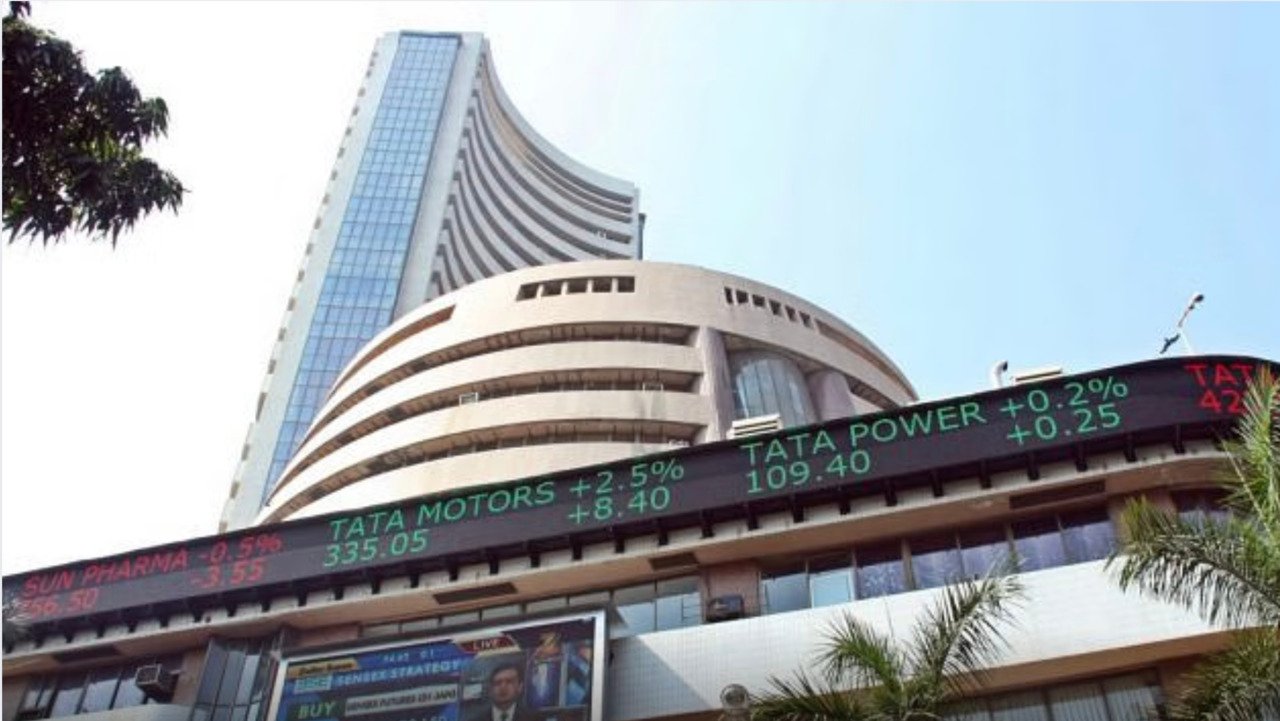
India’s premier stock exchange, BSE Ltd, witnessed a significant downturn in its share price recently, experiencing a sharp fall of 7.65% to close at Rs 2,330.10 on August 21, 2025. This notable decline in the BSE Ltd Share Price came on the heels of two major developments: the resignation of a key Public Interest Director, Nandkumar Saravade, and the introduction of stricter regulatory measures by the Securities and Exchange Board of India (SEBI) concerning derivatives trading. These twin events have certainly stirred investor sentiment, prompting a closer look at the exchange’s immediate future and the broader market implications.
Understanding the Steep Decline in BSE Ltd Share Price
The immediate impact of these developments was clearly visible in the trading performance of BSE’s shares. On August 21, 2025, the stock closed at Rs 2,330.10, marking a substantial drop of 7.65% from its previous close. The trading activity on August 22, 2025, also reflected market apprehension, with the stock oscillating between an intraday high of Rs 2,353.50 and a low of Rs 2,292.20. A total of 3,144,932 shares were traded on this day, indicating heightened market interest and perhaps some profit-booking or cautious selling by investors. To put this into perspective, the previous day’s open price was Rs 2,331.30, while the previous close stood at Rs 2,332.20, painting a clear picture of the downward pressure the stock endured.
Here is a snapshot of key metrics for BSE’s share price during this crucial period:
| Date | Closing Price (Rs) | Change (%) | Open (Rs) | High (Rs) | Low (Rs) | Volume |
|---|---|---|---|---|---|---|
| 2025-08-21 | 2,330.10 | -7.65% | 2,331.30 (previous day open) | 2,353.50 (on 22 Aug) | 2,292.20 (on 22 Aug) | 3,144,932 (on 22 Aug) |
The Resignation That Signalled a Conflict
One of the primary catalysts for the market’s reaction was the resignation of Nandkumar Saravade from his position as a Public Interest Director at BSE Ltd. His resignation became effective at the close of business hours on August 21, 2025. This departure was not without its specific reasons, which he formally communicated to the exchange.
Who is Nandkumar Saravade?
Nandkumar Saravade held a crucial role at BSE Ltd, serving as a Public Interest Director. Such directors are vital for upholding governance standards and ensuring the exchange operates in the broader public interest. Beyond his directorship, Mr. Saravade was also an active participant, chairing or being a member of various important committees within BSE, underscoring his significant contribution and influence.
The Reported Conflict of Interest
The core reason for Mr. Saravade’s resignation stemmed from a potential conflict with the SECC Regulations 2018. He cited his appointment as an Independent Director at Jio BlackRock Asset Management Private Limited, effective January 22, 2025, as the primary cause. This role at Jio BlackRock became problematic due to a trading membership application being processed for a group company of Jio BlackRock. This situation created a potential regulatory conflict, as his position at BSE could be seen as clashing with his duties at an entity seeking membership on the exchange. To maintain transparency and uphold regulatory compliance, Mr. Saravade decided to step down from all his roles at BSE, including his positions on various committees. No other material reasons for his resignation were reported by the exchange, highlighting the direct link between his external directorship and the regulatory framework.
SEBI’s New Rules: A Tighter Grip on Derivatives Trading
Adding to the market’s cautious mood were the significant regulatory changes introduced by SEBI. These changes aim to enhance oversight and mitigate systemic risks within the Indian derivatives market, especially concerning equity derivatives trading. As reported by financial dailies like The Economic Times, SEBI’s moves are often aimed at strengthening market integrity and protecting investor interests. A key measure implemented is a stringent cap of Rs 1,500 crore on end-of-day options exposure for individual entities or large traders. This cap is designed to curtail excessive speculation and reduce the potential for large, destabilising positions that could impact market stability.
Furthermore, SEBI is reportedly considering additional restrictions on intraday index derivatives trading. This move underscores the regulator’s commitment to reining in speculative activity and ensuring that the derivatives market functions as a tool for hedging and risk management rather than solely for high-stakes betting. The broader objective behind these increased regulatory controls is to mitigate systemic risks and protect retail investors, who often bear the brunt of volatile market movements. By tightening the screws on exposure limits, SEBI intends to create a more resilient and less speculative trading environment.
BSE Ltd: A Closer Look at India’s Premier Exchange
Despite the recent headwinds, BSE Ltd remains a foundational pillar of India’s financial markets. As India’s premier stock exchange, it plays a critical role in facilitating capital formation and investment. The exchange is responsible for regulating equity derivatives trading and ensuring adherence to the Securities Contracts (Regulation) (Stock Exchanges and Clearing Corporations) Regulations, 2018 (SECC Regulations 2018), which were central to Mr. Saravade’s resignation. Its robust infrastructure supports millions of transactions daily, contributing significantly to the nation’s economic growth.
Let us look at some of BSE Ltd’s key financial indicators, providing context to its market standing as of August 2025:
- Market Capitalisation: Approximately ₹94,673 crore
- Price-to-Earnings (PE) Ratio: 59.70 (indicating investor willingness to pay a higher price for each rupee of earnings)
- Return on Capital Employed (ROCE): 30.53% (reflecting strong efficiency in generating profits from its capital)
- Revenue (FY25): ₹3,443 crore
- Profit (FY25): ₹1,596 crore
- Stock Trading Multiples: 21.4 times book value (suggesting a premium valuation by the market)
These figures, derived from the company’s latest financial disclosures, highlight BSE’s robust financial health and its significant position in the Indian market. In other recent news, BSE also held its Annual General Meeting on August 20, 2025. During this meeting, the board approved a final dividend of Rs 23 per share, alongside the reappointment of directors and auditors, demonstrating ongoing corporate governance and shareholder value creation efforts.
What Lies Ahead for BSE Ltd?
The immediate reaction in the **BSE Ltd Share Price** clearly indicates investor sensitivity to governance issues and regulatory shifts. While the resignation of a Public Interest Director might be perceived negatively in the short term, it also underscores the exchange’s commitment to upholding regulatory standards, even if it means difficult personnel changes. The new SEBI regulations, while potentially curbing some trading volumes in the short run due to stricter limits, are fundamentally aimed at fostering a healthier, more stable market environment. In the long term, a more robust and less volatile derivatives market could enhance investor confidence and attract broader participation, which would ultimately benefit exchanges like BSE.
BSE Ltd’s ability to navigate these changes, adapt its operations to the new regulatory landscape, and continue its trajectory as a leading financial infrastructure provider will be crucial. The market will closely watch how the exchange addresses any gaps highlighted by such resignations and how it integrates the spirit of SEBI’s new, tighter regulations into its operational ethos. Maintaining investor trust and demonstrating unwavering commitment to compliance will be paramount for the exchange as it moves forward.
Disclaimer: All stock-related information, financial results, Price Targets and ratings shared on IPOC are strictly for informational and educational purposes only. The views and investment tips expressed by investment experts/broking houses/rating agencies on IPOcenter.in are their own, and not that of the website or its management None of the content published here should be considered as financial advice or a recommendation to invest. IPOC and its authors are not liable for any losses arising from decisions made based on the content of this article. Please consult a SEBI-registered financial advisor before making any investment decisions. The images used in this article are generated Images and meant for illustration purposes only.